YOUR CART
IS EMPTY
IS EMPTY

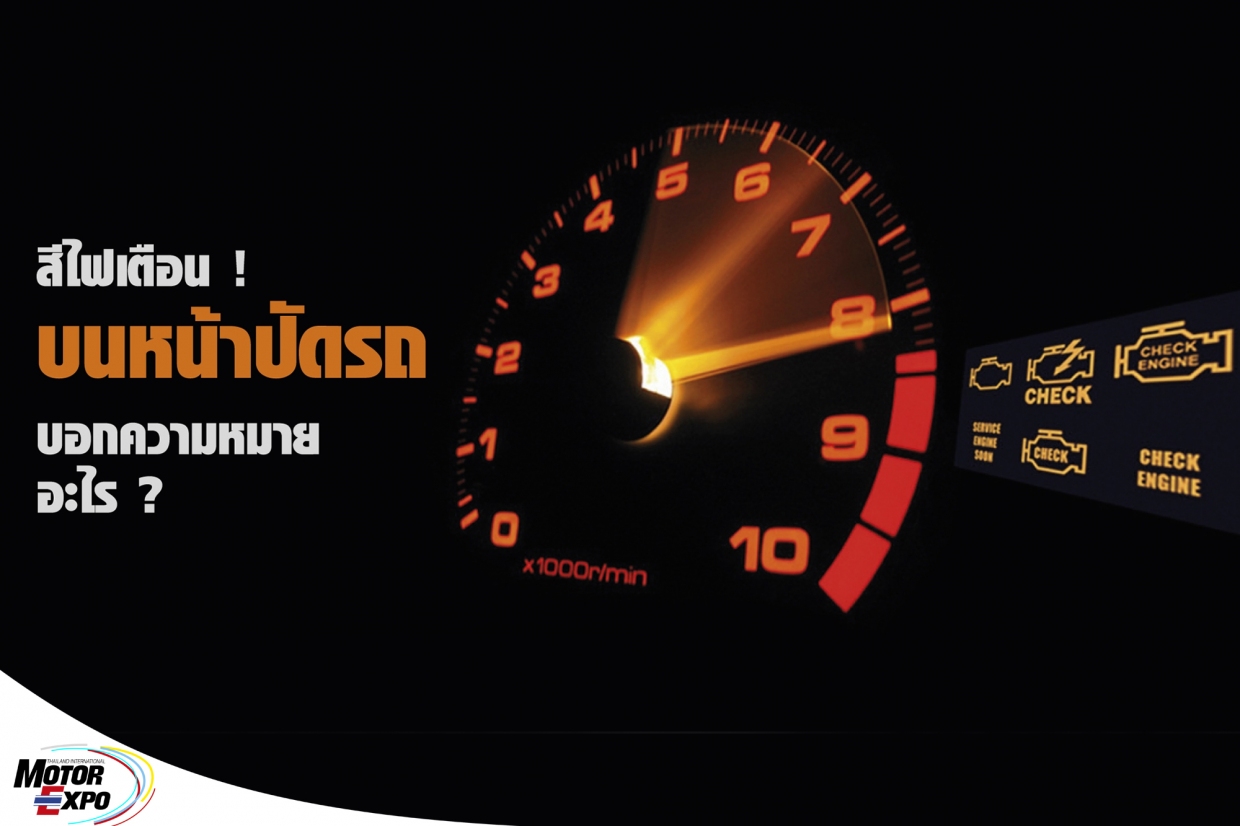
A flashing warning light often indicates a serious problem in the system, such as an engine or abnormal combustion issue. You should stop the car and check it immediately.
Yellow warning lights are usually notifications, such as low engine oil or a sensor malfunction. Red lights indicate problems that require immediate attention, such as a brake system issue.
• A red warning light indicates danger! You must stop using the car and immediately check the abnormality according to the symbol displayed. For example, a circle with an exclamation mark in the center means the handbrake is engaged; a car door symbol indicates that the car door is not fully closed, etc. These examples show that the car owner has no knowledge of the engine at all and no one to inform or advise them. Therefore, it is good that we should get to know and learn
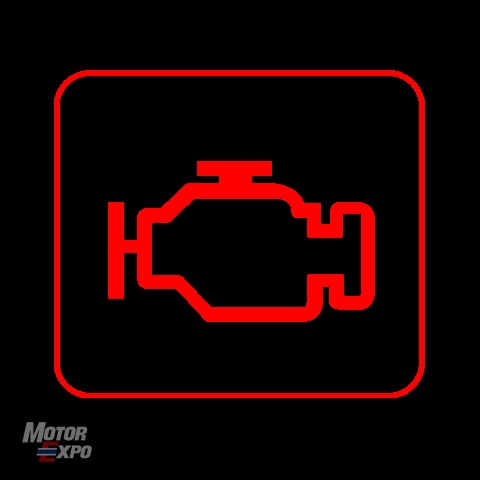
These various indicator lights are designed to turn off once the engine starts. If an engine light comes on while driving, it indicates a problem with the engine system. If the car can still drive and accelerate normally, observe other gauges as well, especially the temperature. If the temperature is normal, you can continue driving, but you should not use high speed and engine RPM. Some car models will enter a limp mode to prevent damage, which limits the engine's RPM, usually around 1,500-2,000 RPM, to prevent engine damage and allow the car owner to drive the car back to a service center without needing a tow. This warning light is quite broad in terms of the problems that can occur. Sometimes, a broken wire or ECU unable to detect a signal will cause the engine light to illuminate, prompting a check. In some systems, it does not cause immediate engine damage but rather long-term issues, so the system still allows the driver to continue driving.
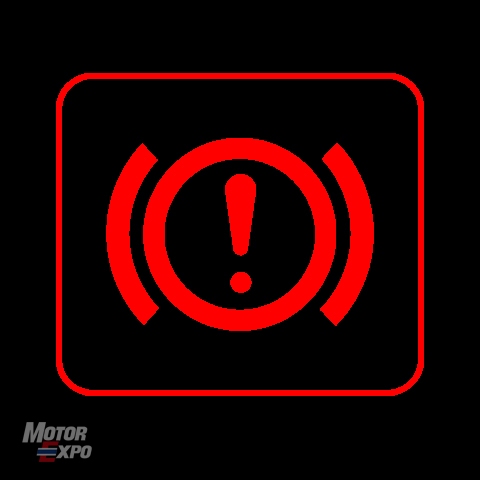
Handbrake or low brake fluid level warning. Another case that can be found is when turning the car sharply and a triangular warning light with an exclamation mark in the middle flashes, or it might be a car symbol resembling a slippery road warning sign flashing. This indicates that various stability control systems are active because the car is starting to lose stability. The stability control or stabilization system works to reduce the chance of losing control. When the car regains stability, the light will stop flashing. If this light continues to flash, it means the system has a problem. You can drive normally, but when the car starts to lose stability, the system might not work, so you must drive more carefully than before.
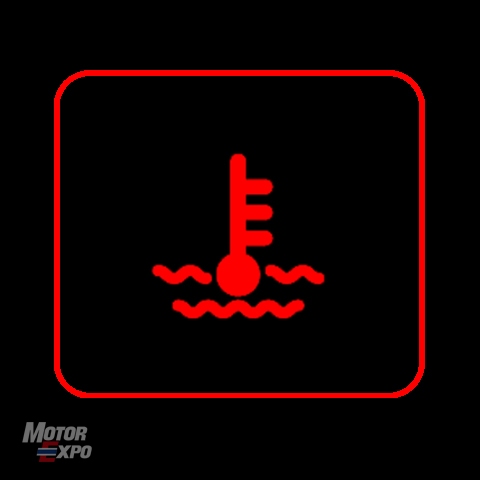
This gauge is very important. When the engine temperature rises high, it indicates that the engine is malfunctioning. The heat generated can cause unimaginable damage to the engine. In newer car models, temperature gauges are becoming less common, presumably following a trend to reduce clutter on the dashboard. Temperature display uses a thermometer symbol warning light instead. When the key is turned to the ON position, this symbol will illuminate in blue and then turn off when the engine starts or reaches operating temperature. If the temperature starts to rise higher than normal, reaching the level set by the sensor, the thermometer light will illuminate again, but it will change to red to warn that the temperature is higher than normal. When the thermometer warning light illuminates while driving and is red, do not panic. You still have time to pull over safely to the side of the road. Some car owners become overly scared when the temperature rises, immediately pulling over wherever they can, fearing engine damage, without considering if it's safe.
There can be many reasons for high temperature, such as a leaking water hose, a leaking radiator, a malfunctioning cooling fan, etc. But it won't cause much damage if you know and can turn off the engine immediately before it reaches a critical stage. Most often, when the temperature rises for a long time, the engine tends to shut down completely. Minor consequences include a warped cylinder head. Severe cases, such as a twisted and cracked engine block, have also been encountered. When driving, it is necessary to constantly monitor various gauges, getting used to it like checking rearview mirrors, for safety.
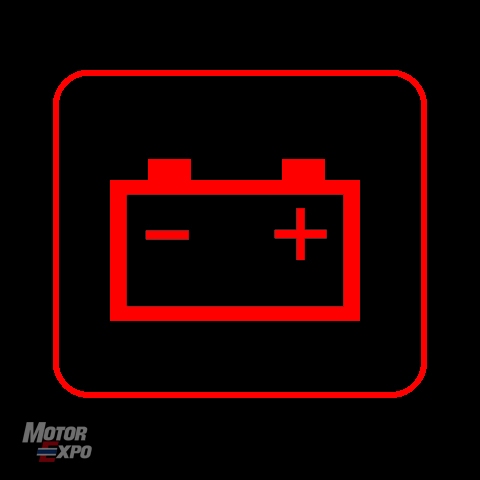
This warning light should not illuminate while the engine is running. But if this warning light illuminates brightly or flickers while the engine is running, it indicates a problem with the charging system or electrical system.
If it illuminates while driving, the first thing to do is find a safe place to pull over, or locate the nearest garage or service center. However, you shouldn't drive for more than 5 minutes after the warning light comes on, and you should turn off the air conditioning, radio, or any other electrical systems. This is because all electrical systems will draw power from the battery. If the battery is in good condition and fully charged, you might be able to drive longer. It's best to find a place to stop quickly, as the engine will soon shut down due to a lack of electrical power to the system.
There can be several causes. Minor issues include a loose or broken alternator belt. If the belt is broken or loose, the alternator cannot function. A blown fuse has also been encountered. More serious issues include a worn-out or expired alternator, such as worn carbon brushes, burnt coils, a faulty diode, or ultimately, the battery not holding a charge. The solution depends on the symptoms. A very serious issue is a problematic alternator, with prices starting from 6,000-7,000 baht for small to medium-sized Japanese cars.
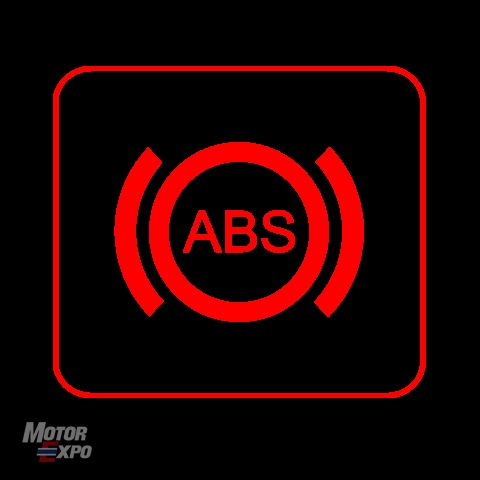
The ABS warning light or brake symbol will illuminate when the key is turned to the ON position. Once the engine starts, this light will turn off. Sometimes, when braking hard, the ABS warning light may flash intermittently; there's no need to panic in this case, as it means the ABS system is working. It will turn off by itself when you release the brake. However, if you are driving normally and this warning light illuminates brightly, it indicates a problem with the system. It's best to consult your car's owner's manual, which will tell you what caused it, as some brands have similar-looking warning lights, such as the handbrake warning light, worn brake pad warning light, or low brake fluid level. Consulting the manual will provide initial symptoms. If the brakes are still functional, continue driving cautiously and avoid high speeds for safety. Sometimes, it's due to mud or moisture on the sensor, causing inaccurate readings.
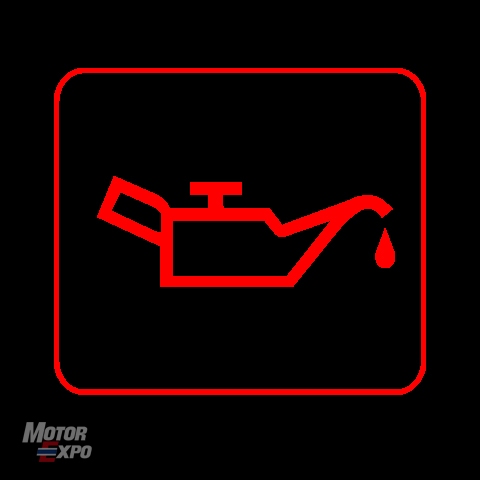
Shaft melting or crankshaft bearing burnout, leading to the engine being unable to rotate, stems from issues with engine oil not circulating in the system. There can be several causes, such as leaks, a punctured oil pan, or leaking seals. In diesel engine cars, a leaking alternator rear seal or even a leaking oil filter rear seal has been encountered. These problems prevent engine oil from circulating in the system. When there is no circulation, the pressure in the system decreases, and the oil can warning light will illuminate.
Therefore, when this warning light illuminates, you should stop the car and turn off the engine immediately, as it means there is no engine oil circulation in the system. When this warning light illuminates, do not panic. Observe the water temperature gauge simultaneously to see how high it has risen. If it's normal or only slightly high, you still have time to safely pull your car over to the side of the road. Once parked, you must check for signs of oil leakage to identify the source. If you cannot find it, wait 5-10 minutes for the engine oil to drain back into the oil pan. If you check the engine oil and find that there is none, it indicates a leak somewhere. If no signs of leakage are found, it might be due to a cracked cylinder head gasket, causing engine oil to leak into the combustion chamber. In this case, the smoke from the exhaust pipe will be white like a 2-stroke motorcycle, or it might be leaking into the cooling system. You must wait for the engine to cool down, then open the radiator cap and check if engine oil has mixed in. If there is oil in the system, the water will turn a cloudy coffee color.
In this case, the car must be towed to a garage or service center. Absolutely do not start the engine. If there is engine oil, you must continue to check why the engine oil is not circulating. There could be two symptoms: a faulty oil pump or a faulty pressure sensor. In this case, you should also not start the engine.
Article source: www.autoinfo.co.th
Read related article: Warning Signs Not... Bad Omens! If You Know Them


Follow Motor Expo Club Network